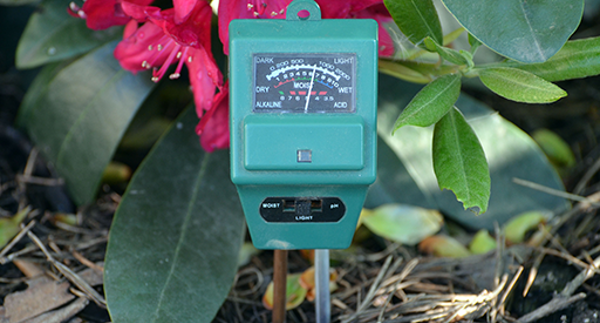
An important, but sometimes overlooked, factor in soil health is pH which influences how easily plants can access the nutrients they need.
No matter what you grow, understanding soil pH can make a big difference.
What is soil pH?
pH stands for ‘potential hydrogen’. It’s a number from 0 to 14 that shows how acidic or how alkaline something is. Pure water has a pH of 7, which is neutral - neither acidic nor alkaline.
Soil pH is just how acidic or alkaline your soil is, on the same 0–14 scale: 0–6 = acidic | 7 = neutral | 7.5–14 = alkaline
- Most plants grow best in neutral soil (pH 6.0–7.5). Within this range, nutrients are most readily available and soil life thrives.
- Some plants naturally grow in more acidic conditions (usually pH 5.0–6.0), including camellias, rhododendrons, azaleas, blueberries and gardenias. These acid‑loving plants can struggle if the soil pH becomes too alkaline.
- Other plants prefer the more alkaline soils (pH 7.0 and above) these include lavender, lilac, clematis and some herbs (e.g. rosemary, thyme).
Planting according to your soil type is one of the easiest ways to guarantee success: put the right plant in the right place. There are ways to test your soil and this can help guide what amendments, if any, you should add.
How to test your soil pH
These simple tests can be done at home, although a soil test is the only way to really know what your soil needs.
- Use a soil pH test kit or probe – available at local garden centres and are quick and affordable. A single test gives you a general reading, while multiple tests around the garden can identify problem spots. It’s surprising how soil can be different in a small area of garden.
- Watch for plant clues - sometimes your plants will tell you your soil isn’t right. Some signs include yellowing leaves despite regular feeding, poor growth, flowering issues and fruit drop.
- Lawn indicators - lawns are particularly sensitive to pH changes. An invasion of broadleaf weeds can be a sign that the soil has become too acidic for healthy grass growth.
How to adjust your soil pH
Once you know your soil’s pH, you can make targeted improvements.
- To maintain or improve soil acidity for acid-loving plants use sulfur, aluminium sulphate or specialist products like Tui Acid Food. These create and maintain the low‑pH environment that camellias, rhododendrons and similar plants prefer.
- If your soil is too acidic for vegetables, lawns, or alkaline‑loving plants, use Tui Lime or Dolomite lime (adds magnesium as well as calcium). Lime works gradually, so applying it each season or year helps build long-term soil health.
Or try these natural ways to gently acidify soil at home:
- Mix in peat moss, which naturally lowers pH.
- Dig in compost, rotted leaf litter and pine needles into the top 15-20cm of soil.
- Tap water is often alkaline, you can try collecting and using rain water on the garden instead.
Avoiding nutrient imbalances
More isn’t always better Applying too much of one nutrient - whether it’s lime or fertiliser - can disrupt the soil’s balance and actually reduce nutrient availability which is why testing is so important. Always follow the instructions on the packaging and make incremental improvements.
Vinegar test tip You can test alkaline soils for free lime (excess calcium that keeps soil pH high) by adding vinegar - if it fizzes, free lime is present. This helps you avoid over-liming for plants that prefer neutral or acidic conditions.
Planting for your soil type
While you can adjust soil pH, sometimes the easiest solution is simply choosing plants suited to your conditions. This reduces maintenance, improves plant health and creates a more resilient garden. If you’re unsure, your local garden centre will be able to recommend plants that thrive in your local area.
related products
Post a comment
Learn about soil pH Comments
Be the first to write a comment