One of the best ways to get to know a garden is to experience it through the seasons. Spring might reveal bulbs you didn't know were there, summer shows you the warmest and driest spots, while autumn and winter bring opportunities to improve, plan and reshape your space.
Whether you've moved into a home with an established garden, a few raised beds, or are starting with a blank canvas, each season reveals something new. Use these seasonal observations and jobs as inspiration as you settle in and make the space your own.

Spring: Discover the potential
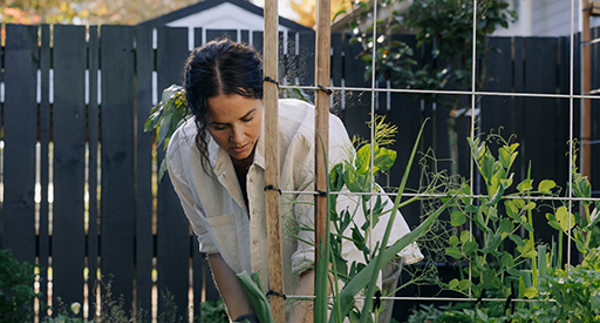
Spring is often when a garden really starts to reveal itself. Fresh growth appears, flowering plants wake up, and it's easier to see which areas could benefit from a little extra attention.
Things to look for
- Notice where bulbs, perennials and self-seeding plants emerge before making changes to garden beds.
- If you’re looking to grow food, start by checking where the sunniest spots are and whether an existing vege garden gets enough sunlight.
- Observe which areas stay wet longest after rain, as these spots may suit moisture-loving plants.
- Take photos as plants emerge and flower. They'll become a useful reference when planning future changes.
Jobs you can tackle
- Refresh garden beds with compost and sheep pellets before planting.
- Feed trees, shrubs and flowering plants to support healthy spring growth and flowering.
- Plant veges, herbs and seasonal colour to enjoy through the warmer months.
- Identify gaps in garden beds and plants that may need a little extra care or a better position.
- Treat prickle weed before it flowers and spreads, and feed winter-weary lawns to encourage fresh green growth.
Summer: Enjoy and observe
Summer is a great time to enjoy the garden and learn more about how it performs. Notice which areas receive the most sun, where the soil dries out quickly, and which plants are thriving. These observations can help guide future planting decisions.
Things to look for
- Identify the hottest and driest parts of your garden. These areas may be ideal for drought-tolerant plants, herbs or citrus.
- Notice where you naturally spend time outdoors and think about how you’d like your entertaining and relaxing spaces to look and feel. This can help shape future planting, screening and outdoor projects.
- Take note of sunny spots around decks, patios and windows if future shade planting is on your wishlist.
- Pay attention to windy areas, which may benefit from shelter planting.
Jobs you can tackle
- Water deeply and consistently throughout the summer months.
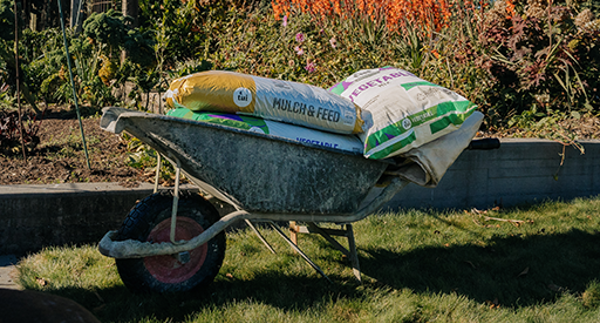
- Mulch garden beds before they dry out to help retain moisture.
- Add colour and flexibility with pots and containers, which can easily be moved as conditions change.
Autumn: Plant for the future
Autumn is nature’s planting time. Warm soil and cooler temperatures help new plants establish strong root systems before the growing season kicks off again.
Things to look for
- Notice where leaves naturally collect, this can reveal wind patterns and sheltered areas.
- Take note of any areas that become muddy or waterlogged after autumn rain.
- Watch how deciduous trees change through the season and the shade they provide in summer while allowing more light through in winter.
Jobs you can tackle
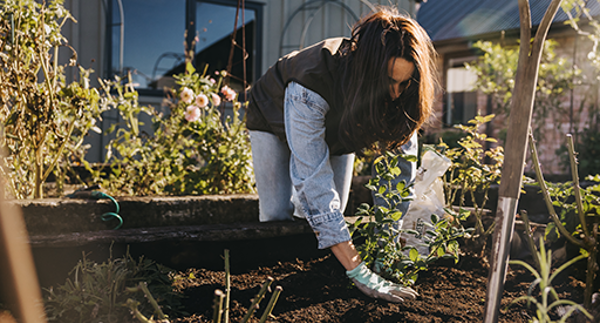
- Plant trees, shrubs and natives while soil temperatures are still warm.
- Add cool-season crops like broccoli, cabbage, cauliflower, beetroot and spinach to the vege garden.
- Collect and dispose of fallen fruit around trees to help reduce overwintering pests and disease.
- Improve garden beds with compost and sheep pellets to replace nutrients used over summer.
- Consider moving plants to better positions if they’re not thriving where they are.
- Give lawns some autumn TLC by feeding and repairing bare patches.
Winter: Plan and prepare
While growth slows in many parts of the garden, winter is a valuable planning season. It's a chance to tidy, prune, prepare and think about what you'd like to achieve when spring arrives.
Things to look for
- Observe how the lower winter sun moves across your property. It can reveal trees or shrubs that block light from your home, vege garden or outdoor living areas and highlight opportunities for future planting or pruning.
- Take note of frost-prone areas, which can influence future planting decisions.
- Notice where water sits after heavy rain, as winter often reveals drainage issues hidden during drier months.
- Identify evergreen plants that provide year-round structure, privacy and colour.
Jobs you can tackle
- Tidy garden beds and apply mulch before frosts arrive to help protect plant roots and retain soil moisture.
- Gather fallen leaves and garden waste to add to your compost heap.
- Prune trees and shrubs where appropriate and remove dead or diseased growth.
- Sketch out future planting plans, garden beds or landscape projects while growth is slower.
If you've recently moved into a home with an established garden, a blank canvas or anything in between, find tips, guides and inspiration to help you get to make it your own at the New Home Hub >
Post a comment
A seasonal guide to getting to know your garden Comments
Be the first to write a comment