Healthy soil is the quiet hero of every thriving garden.
It’s easy to focus on what’s happening above ground, but all that homegrown goodness starts with what’s happening underneath.
What soil health means
It can help to think of soil as a living thing, rather than just dirt. It’s full of tiny organisms - bacteria, fungi, insects and worms - all working together. They break down old plant material and organic matter, earthworms create channels that help air and water move through the soil and make nutrients easier for plants to use. It’s a busy, active system beneath the surface and when that life is thriving your plants will thrive too.
Healthy soil typically has:
- Plenty of organic matter - compost, decomposed plant material, aged manure.
- A thriving microbial community - bacteria, fungi and other tiny helpers. You may not see them but they're there!
- Good structure - crumbly, loose, and easy to work with.
- An earthy smell – it won't smell sour or sloppy.
- Good drainage - holds moisture but doesn’t stay soggy.
Why soil matters
Soil is the foundation of your garden’s wellbeing. When it’s humming along nicely, everything else becomes easier. Plants grow deeper roots, handle dry spells better and are naturally more resilient.
- Holds more nutrients - less goodness will be lost (leach) from the soil when fertilisers have plenty of organic matter to cling to.
- Better moisture retention - healthy soil holds water like a sponge.
- Stronger, more productive plants - deeper roots, faster growth, better harvests.
- Fewer pests and diseases - strong plants are naturally more resistant.
simple soil health checks
Here are some simple ways to check your soil health. You don’t need fancy tools - just your senses.
- Feel it: Moist soil should be crumbly, not sticky or powdery.
- Look for life: Worms and insects are great signs.
- Notice any odour: Healthy soil smells earthy, not sour or sloppy. Bad smells usually mean poor drainage or low oxygen.
- Test with water: It should absorb steadily, not pool or vanish instantly.
- Watch your plants: Uneven growth or constant wilting often points to soil issues.
How you can improve your soil health
Soil health is fixable and small consistent improvements make a big difference over time. The first step is to work out what type of soil you’re working with. Figure out which soil type you have here >
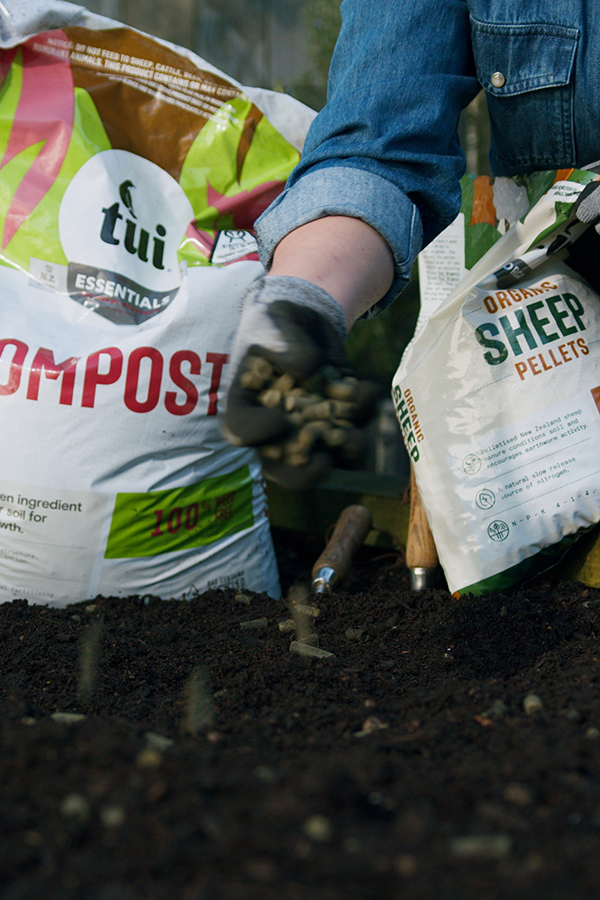
- Add compost and sheep pellets regularly. Compost is rich in nutrients and feeds the soil with organic matter, helping it stay crumbly, moist and full of life. Sheep pellets give an extra boost of slow release nutrients that soil organisms and plants can use over time. Adding both little and often keeps your soil improving each season and supports strong, steady plant growth.
- Keep your soil covered. Bare soil dries out quickly and can be damaged by sun, wind and rain. Mulch is the easiest way to protect it, but you can also use living mulch like low‑growing herbs, nasturtiums or other groundcovers, or simply leave fallen leaves in place. Anything that covers the surface helps hold moisture, reduce weeds and keep soil life thriving.
- Avoid digging too much over time. When you first set up a garden bed or prepare your soil you may need to dig more deeply. But as your soil structure improves you’ll find you don’t need to as much. Too much digging disrupts soil structure, breaks up worm tunnels and fungal networks, dries the soil out faster and brings buried weed seeds to the surface. Gentle loosening and adding compost and sheep pellets is usually all your soil needs.
related products
Post a comment
Soil health basics Comments
Be the first to write a comment