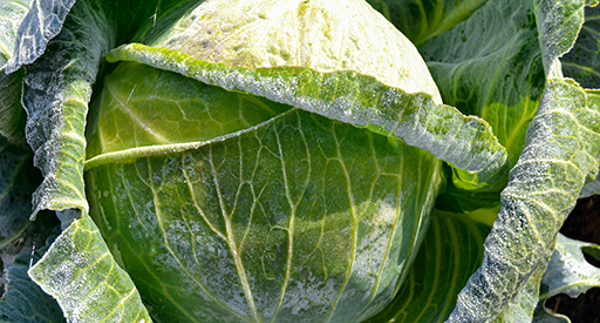
As temperatures dip and the first frosts approach, there are steps you can take to protect your garden from frost damage.
With a few simple steps, you can help your plants stay healthy, resilient and ready to thrive through the colder months.
TIPS FOR PROTECTING YOUR CROPS FROM FROST
- Apply Tui Organic Seaweed Plant Tonic every 7-10 days before frosts arrive to help plants tolerate the cold – it will give protection up to -5°C.
- Reduce watering in winter so there's less moisture in the soil to freeze, but don’t allow plants to completely dry out.
- Add Tui Pea Straw or Tui Mulch & Feed to garden beds before the first frost arrives to insulate roots. After a frost is too late as the mulch will insulate the soil and keep the cold in - at that stage it could be more damaging than not mulching.
- Covering crops with frost cloth is a good option. It allows light in so doesn’t need to be removed every day. Be sure to peg the frost cloth down securely.
- Investing in a glasshouse or a cold frame can help you get plants started and harden them off before planting out. A cloche or growing tunnel will protect them once planted.
- Frost tender plants such as citrus, frangipani, avocados and tamarillos can be grown in pots and containers so you can shift them to shelter in cold snaps.
FLOWER TIPS
- Prune roses after the coldest weather has passed. Pruning can push soft new growth which could get frosted and lead to diseases such as die-back.
- Likewise for hydrangeas, in frost prone regions you can leave the spent flower heads on over winter as that gives the new growth below some protection.
FROST CAN IMPROVE FLAVOUR
Some veges are best left in the ground until the first frost, which helps intensify the sweetness of the vegetable.
TOP FROST HARDY CROPS
If your area gets regular frosts, it’s worth choosing plants that cope well with colder conditions. Many winter vegetables not only tolerate frost but continue to mature slowly through the colder months.
- Reliable winter crops include carrots, beetroot, parsnips and leeks, which can stay in the ground until needed.
- Winter lettuce varieties also perform well, especially Cos, Tom Thumb and Little Gem lettuces, along with Lamb’s Ear lettuce, corn salad, oak leaf lettuces and mesclun mixes.
- Other vegetables that thrive in cool weather include onions, cabbage, broccoli, cauliflower, kale, peas, spinach, coriander and broad beans.
- For winter colour, try cool-season flowers such as pansies & violas, primulas, cyclamen and calendula.
It's best to get crops established before any chance of frost. Ideally root veges need to be well bulbed up by May for decent winter crops.
Discover tips for growing undercover.
Post a comment
Frost protection tips Comments
Be the first to write a comment