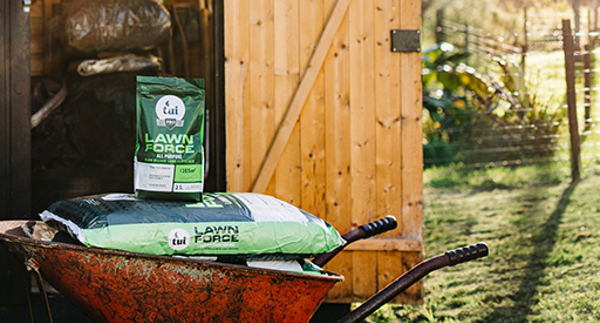
A lush, green lawn doesn’t happen by mistake, a successful lawn takes a little effort, but the results are very rewarding.
Spring and autumn are the best times for lawn care. To ensure your lawn always looks its best and to set it up for whatever Mother Nature throws at it, follow our top maintenance tips so your lawn is the envy of the neighbourhood.
Sow in the right season
Sowing your lawn in the right season gives your lawn seed the best chance of success. In most regions, spring and autumn offer ideal soil temperatures and more reliable moisture, so seed germinates quickly and young grass isn’t stressed by extreme heat or cold. Learn more about how to sow a lawn >
Preparation is key
To ensure you have a successful lawn, the soil needs to be in top condition.
- Remove any existing weeds and grass.
- Level the area and break up compacted soil.
- Add a 50 mm layer of Tui LawnForce® Lawn Preparation Mix to provide lawn seed with a base of essential nutrients.
- Rake to create a fine, even surface ready for sowing.
- Water consistently for the first two weeks to ensure good seed germination.
Learn more about how to prepare the area >
‘Sweeten’ the soil
- A simple pH test will tell you where you stand. If your soil is too acidic, grass struggles and weeds thrive.
- If the pH is low, below 6-7, apply Tui Lime in autumn and/or early spring to help neutralise soil acidity.
- Correcting pH makes nutrients more available and sets up your lawn to use fertiliser more efficiently.
Learn more about soil pH >
Select the right seed
Choosing the right lawn seed for your situation is one of the most important decisions. Whether you need a low maintenance lawn, a hardwearing lawn for high traffic areas, a fine textured lawn, a drought tolerant lawn for sandy soils, or are trying to grow a lawn in a shady spot, the Tui LawnForce® Superstrike® Lawn Seed range has the perfect seed for you.
Sow seed on well prepared soil at the rate recommended on the pack. For even coverage, scatter seed in an east–west then north–south direction. Select the right lawn seed for your place >
Keep your lawn well nourished
Well fed lawns are greener, thicker and more resilient to weeds, insect pests and disease.
- When sowing a new lawn, apply Tui LawnForce® New Lawns to encourage lush, thick, green growth right from the start.
- Once established, fertilise in spring and autumn with Tui LawnForce® All Purpose to keep it dense and healthy.
A regular feeding programme helps your lawn out compete moss and weeds and recover faster from wear and adverse weather. Learn more about feeding your lawn for strong growth and fewer weeds >
Water your lawn well
Good watering habits are essential, especially when establishing new lawn and through hot, dry periods.
- Water in the morning rather than in the evening so that the lawn has time to dry out reduce the chance of fungal disease.
- After sowing, water twice a day morning and late afternoon until seed has germinated and new grass has established.
- Over summer, water every 2-3 days, duration will depend upon soil type, but generally 10-15 minutes should be enough.
To make every drop count, apply Debco SaturAid granular soil wetting agent before sowing lawn seed. This helps water penetrate down into the soil to the root zone where it is required and improves moisture retention.
Learn more about watering new lawns and existing lawns >
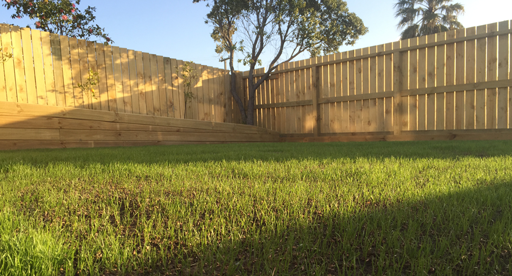
Adjust mowing depending upon the season
Regular mowing stimulates grass growth and crowds out invading weeds. Keep blades sharp for a clean cut and change mowing direction to reduce compaction.
- Mow new lawns on the highest setting to encourage a sturdy root system.
- Spring: lower blade height to 5cm to stimulate new growth.
- Summer: raise mowing height to highest setting for drought protection.
- Autumn: mow while the lawn is still actively growing, leave the lawn slightly longer going into winter.
- Winter: mow when needed and on a lower mower height to prevent fungal diseases.
Stop prickles before they spread
Prickle (Onheunga) weed can quickly take the fun out of walking barefoot on the lawn.
- The best time to spray to prevent prickles is spring the weed flowers, and again in autumn as the seeds germinate in autumn to stop the spread.
- Tui LawnForce® Prickle Kill & Lawn Feed combines a selective weedkiller to eliminate prickle weeds.
Treating at the right time means fewer prickles and a greener lawn heading into summer. Learn more about common lawn weeds >
Create a greener, thicker lawn
After tough seasons (wet cold winters or a dry summer), lawns can look tired and patchy.
- To rejuvenate tired lawns in late winter early spring apply a low nitrogen lawn fertiliser such as Tui LawnForce® New Lawns to stimulate root growth.
- In early spring and again in autumn, apply Tui LawnForce® All Purpose slow release lawn fertiliser.
- For an instant deep green lawn apply Tui LawnForce® Rapid Green, you'll see results in as little as 3-5 days.
Deal with dog burn patches
Dog urine can cause unsightly yellow or bare patches.
- Try adding a small amount of vinegar to the dog’s water to help neutralise it.
- Rinse fresh patches with water as soon as you can to dilute urine.
- Encourage the dog to use one area of the garden rather than the whole lawn - treats are always a good reward for it to become a habit.
Repair bare and worn patches
Autumn and spring are the best times to repair bare patches and thin areas.
- Rake out dead grass and thatch, and lightly loosen the soil surface.
- Spread Tui LawnForce® Lawn Preparation Mix 25–30 mm deep over the patch and firm it down.
- Sow Tui LawnForce® Superstrike® Lawn Seed Easycare Patch Pack at the directed rate.
- Water gently and keep the patch moist during germination and establishment.
Choose a lawn seed for patching that best matches the existing lawn. Learn more about how to patch a lawn >
Small, regular habits make a big difference:
- Mow regularly, but don’t scalp the lawn - keep it a little higher in summer to shade the roots and help retain moisture.
- Mulch clippings back into the lawn every now and then to return organic matter, or rake out old growth in winter and topdress lightly with compost. Avoid doing this with a newly established lawn as it will smother the new grass.
- Apply Tui Lime yearly if your soil to restore soil balance.
- Hand weed stubborn broadleaf weeds, keep edges tidy, and move trampolines and furniture regularly to avoid permanent bare patches.
- Water and fertilise regularly to keep the lawn actively growing and to crowd out weeds.
Shopping list
- Tui LawnForce® Lawn Preparation Mix
- Tui Lime
- Tui LawnForce® Superstrike® Lawn Seed - choose a suitable variant from the Superstrike® range.
- Tui LawnForce® New Lawns, Tui LawnForce® All Purpose or Tui LawnForce® Rapid Green slow release fertiliser
- Debco SaturAid